





4,000 Years of Majuli Island’s Climate History Reconstructed to Aid Flood Adaptation
Jun 06, 2026
Current Affair 1:
4,000 Years of Majuli Island’s Climate History Reconstructed to Aid Flood Adaptation
News:

This Press Information Bureau (PIB) release reports on a scientific study that maps out 4,000 years of climate and plant history on Majuli Island in Assam.
By analyzing ancient fossil data, researchers are uncovering long-term patterns in weather changes and flooding. This information is crucial for designing modern strategies to protect communities from natural disasters.
The Scientific Breakthrough: Palynology
- Before this study, there was no long-term, detailed history of Majuli's ancient environment. Scientists solved this by using palynology—the study of plant pollen and spores.
- Pollen as a Climate Clock: Pollen grains have incredibly tough outer shells. They can stay perfectly preserved in deep layers of dirt and river sediment for thousands or even millions of years.
- How it helps: By drilling deep into the ground and looking at both modern and fossilized pollen records, scientists can tell exactly what kinds of plants grew on the island at different points over the last 4,000 years.
Since different plants need different amounts of water to survive, tracking changes in plant types reveals past shifts between dry periods and heavy monsoon flood phases. This historical data helps planners forecast future climate risks.
Core Geography of Majuli:
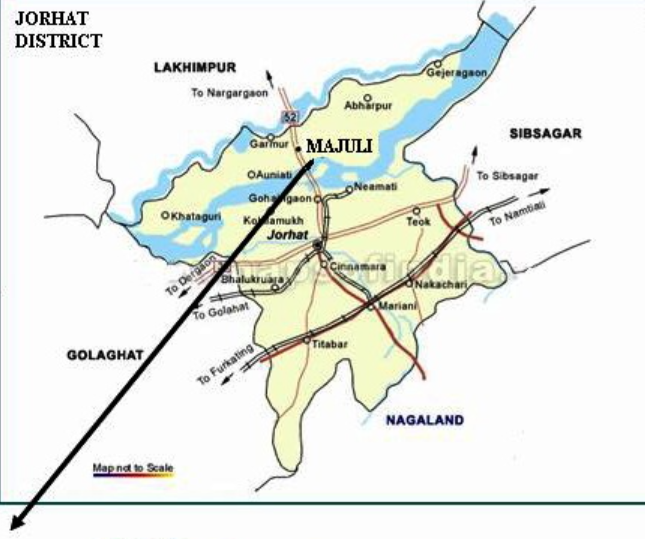
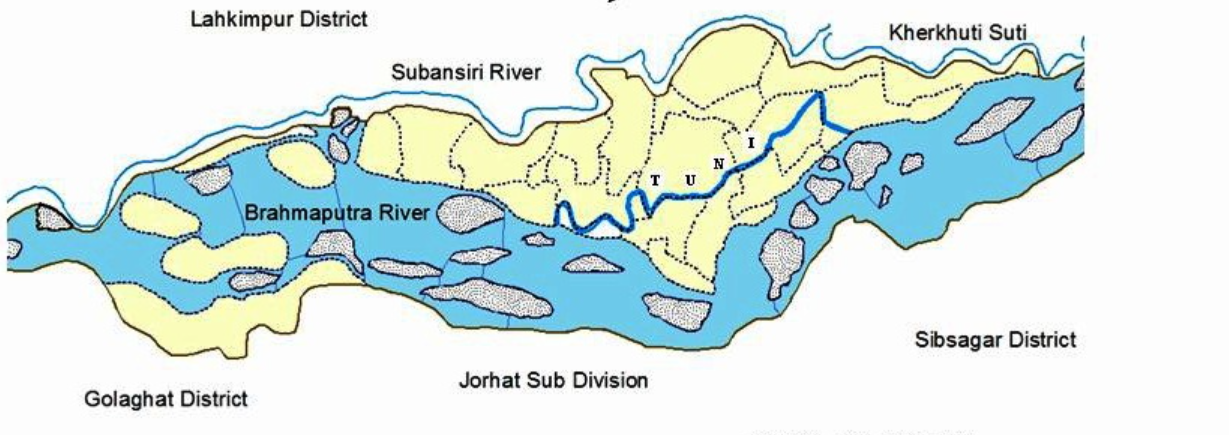
The Location: Majuli is the world’s largest inhabited river island. It sits in the Brahmaputra river network in Assam, surrounded by:
- The Brahmaputra River to its south and east.
- The Subansiri River to its west.
- A separate branch of the Brahmaputra to its north.
Cultural Significance: The island is a major historic hub of Neo-Vaishnavite culture (a reformist religious and social movement in Assam) and is home to several indigenous tribal communities. It also holds a spot on the UNESCO tentative list for World Heritage status.
<< Previous Next >>